Accessibility StatementSkip to main content
Enfamil Logo

A Parent's Guide to Infant Self-Feeding

This guide is packed with tips and advice to help you confidently support your baby’s self-feeding journey. You’ve got this!

Key Takeaways

  • Most babies begin showing interest in self-feeding between 6 and 9 months of age.
  • Self-feeding supports fine motor development, hand-eye coordination, and independence.
  • Soft, easy-to-grasp finger foods are ideal for babies just starting out.
  • Creating a low-stress mealtime environment helps babies explore food at their own pace.
  • Always supervise your baby during meals to ensure safe eating practices.

Watching your baby reach for food and bring it to their mouth all on their own is such a special moment. Self-feeding is an exciting step toward building their confidence and independence. Whether you're just starting solids or looking for ways to encourage your little foodie, this guide will help you support them every step of the way.

When Do Babies Start Feeding Themselves?

Most babies begin showing signs they're ready for self-feeding between 6 and 9 months. If your little one is sitting up, grabbing for the spoon, or reaching for your food, they’re probably ready to join in at mealtime!

Finger feeding usually comes first, with babies using their whole hand to grasp soft foods. Around 9 to 12 months, they'll usually develop a pincer grasp (using their thumb and forefinger). This lets them pick up smaller pieces. Spoon feeding often develops later, around 12 and 18 months, though some babies show interest earlier.

Remember, every baby develops at their own pace. Some are eager to self-feed early, while others take a bit more time. Both are perfectly normal!

How to Encourage Self-Feeding

Supporting your baby's self-feeding journey as they begin eating solid foods doesn't have to be complicated. Here are some simple tips from Scott Cohen, MD, pediatrician and author of Eat, Sleep, Poop: A Common Sense Guide to Your Baby’s First Year:

  • Keep it varied: Place a variety of finger foods on their tray and let them play. Sure, they’ll make a mess, but they’re learning how to grasp the food and get it into their mouth.
  • Don’t overserve: Limit the amount of food you put in front of your baby. This tactic will be less overwhelming and make less of a mess.
  • Regularly introduce new foods: They won’t all be hits, but keep trying. Novelty appeals to babies.
  • Allow your baby to eat from your plate, on occasion: Your child is likely to find your food more appealing (because it’s yours), and as long as the choices are safe, there’s no harm. You can also try putting some of your little one’s finger foods on your plate. If your child thinks it’s your food, they may be more likely to eat it.
  • Don’t force your baby to eat: They’ll eat when they’re hungry and stop when they’re full.
  • Expect a mess: Try to be patient and not let it upset you. It’s important to be encouraging at mealtime, not punishing. On the other hand, there’s such a thing as too much. When your baby is simply flinging their peas and smearing their yogurt without actually eating, you should matter-of-factly draw the meal to a close.

Best First Foods for Self-Feeding

Choosing the right foods makes self-feeding easier and safer for your baby. Look for options that are:

  • Soft enough to mash with gentle pressure
  • Cut into manageable pieces (about the size of your baby's fist)
  • Easy to grip and not too slippery

Great starter foods include:

  • Steamed or soft-cooked vegetables like sweet potato wedges, broccoli, or cauliflower florets
  • Ripe fruits such as small pieces of banana or avocado, or soft-cooked apple or pear slices
  • Well-cooked pasta shapes
  • Soft proteins like scrambled eggs, shredded chicken, or small bits of cheese
  • Small pieces of toast

As your baby's chewing and coordination improve, you can gradually introduce a wider variety of textures and shapes.

Foods to Avoid When Self-Feeding

Some foods can be tricky for babies to handle and might be a choking risk. It’s best to hold off on these foods until they’re a bit older and have stronger chewing skills.

Foods to avoid include:

  • Whole grapes, cherry tomatoes, berries (unless quartered and your child has developed their pincer grasp)
  • Hard veggies (e.g., carrots, celery)
  • Nuts, seeds, popcorn, marshmallows
  • Hard candies, gummies
  • Large meat, cheese chunks, hot dogs (unless chopped)
  • Nut butters by the spoonful (spread thinly on small bites of toast instead if no allergies)
  • Whole crackers or chips

The Benefits of Infant Self-Feeding

Self-feeding offers more than just nutrition. It’s a fun and important way to help them grow and learn the following:

  • Fine motor skills: Grasping food strengthens the small muscles in their hands and fingers, preparing them for future skills like writing.
  • Hand-eye coordination: Reaching for food and bringing it to their mouth helps your baby coordinate what they see with what they do.
  • Independence: Feeding themselves builds confidence and teaches them they are capable of meeting their own needs, building their sense of confidence and sense of autonomy.
  • Sensory exploration: Allowing babies to touch, smell, and taste food at their own pace can lead to a more adventurous palate.
  • Mealtime engagement: When your little one participates in feeding, it can make mealtimes more enjoyable for the whole family.

Tips for Keeping Infant Self-Feeding Low Stress and Safe

Self-feeding can feel messy and unpredictable, but these tips can help make mealtimes smoother for both you and your baby.

  • Set yourself up for success: Use a high chair with good back and foot support to help your baby sit upright. This makes eating safer and more comfortable.
  • Embrace the mess: It's going to get messy! A splat mat under the high chair and a bib with sleeves can make cleanup much easier.
  • Timing is everything: Offer food when your baby is happy and alert, not overly tired or hungry. A fussy baby will have a harder time learning.
  • Keep it low-pressure: If your baby isn’t interested in a food, that's OK. Don't force it. You can always offer it again another day.
  • Learn infant CPR: Knowing how to respond in an emergency can give you peace of mind, helping you stay calm and confident during mealtimes.
  • Trust the process: Every baby learns at their own pace. Be patient with your little one (and yourself!) as you navigate this new adventure together.

For more feeding guidance tailored to your baby's age, explore our baby feeding timeline.

Enfamil Supports Every Bite, Grab, and Milestone

Watching your baby learn to self-feed is such an exciting milestone. It’s a big step toward building their confidence, independence, and motor skills. By offering the right foods, keeping things relaxed (and embracing the mess), you’re helping set them up for healthy eating habits that last a lifetime.

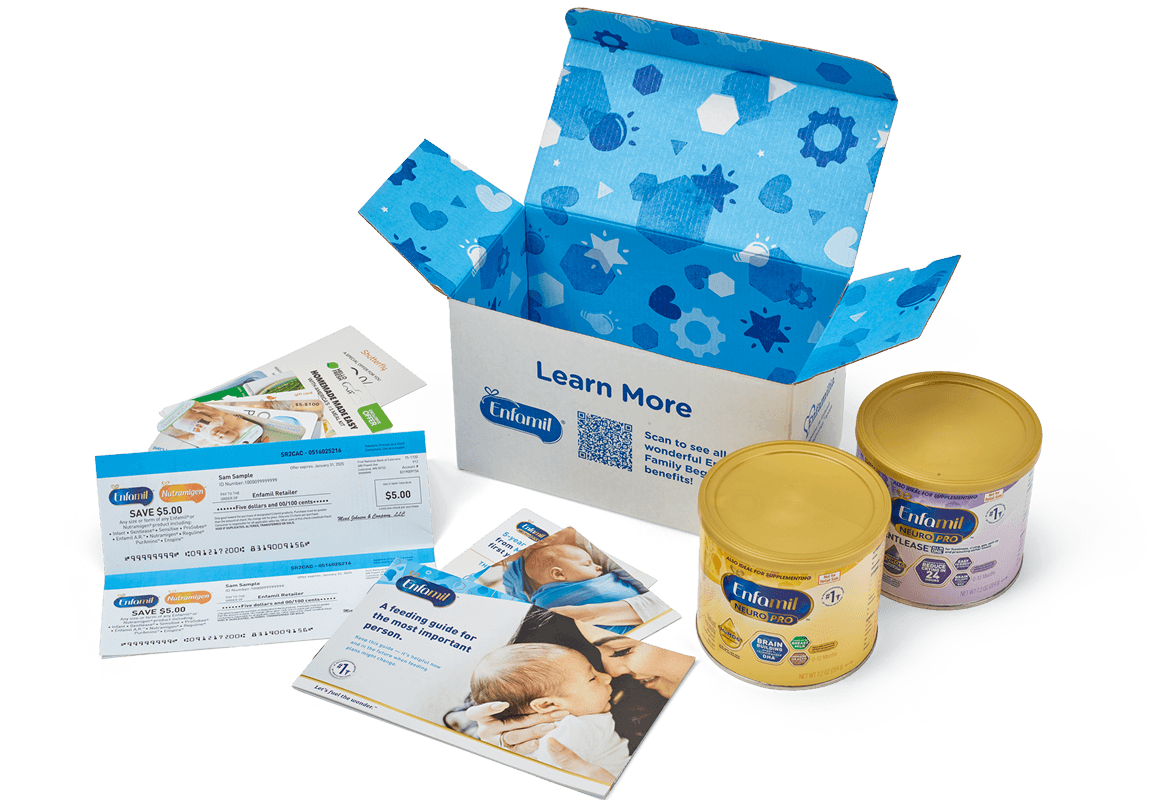
At Enfamil, we’re here to cheer you on every step of the way. Whether it’s feeding tips, nutrition advice, or just expert guidance when you need it, we’ve got you covered. Join Enfamil Family Beginnings® for tailored support, helpful articles, and exclusive perks made just for you and your little one!
FAQs

  • Most babies begin showing interest in self-feeding between 6 and 9 months. They typically start with finger foods and gradually move on to using utensils between 12 and 18 months.

  • Yes, self-feeding is a big step in developing your baby's fine motor skills. It helps them practice using their little hands and fingers to grasp food, coordinate their movements, and bring food to their mouth.

  • They might be sitting up with just a little help, showing a real interest in food (like eyeing your dinner!), reaching for things and putting them in their mouth. They should also have lost that automatic reflex that pushes food out with their tongue.

  • Baby-led weaning is all about letting your little one take the lead with self-feeding right from the start. It’s a great option for some families, but it’s not the only way to go. You can mix it up with spoon-feeding and finger foods, too. Just do whatever feels right for you and your baby.

  • Look for utensils with short, chunky handles that are easy for small hands to hold. Soft-tipped spoons are gentle on gums, and curved or angled utensils can make scooping easier for beginners.

Share this article
Enfamil ProductsEnfamil Products

Explore Enfamil Family Beginnings® for More Baby Tips

As with most things, practice makes perfect—and rest assured, you’ll get plenty of diaper-changing practice those first couple of years. In no time you’ll be a pro and be able to tackle your baby’s diaper with confidence. For more tips and resources on all things baby, including nutrition and feeding, be sure to join Enfamil Family Beginnings®. Enjoy up to $400 in savings, plus exclusive rewards, support, and surprises.

Join Now

All information on Enfamil, including but not limited to information about health, medical conditions, and nutrition, is intended for your general knowledge and is not a substitute for a healthcare professional's medical identification, advice, or management for specific medical conditions. You should seek medical care and consult your doctor or pediatrician for any specific health or nutrition issues. Never disregard professional medical advice or delay seeking medical treatment, care, or help because of information you have read on Enfamil.