
Wondering if your little one is getting enough iron? Discover why this mineral is so important for your baby’s developing brain and how to ensure they’re getting the right amount through breast milk, formula, or supplements.
It’s 2 AM, and while you’re feeding your little one, a thought pops into your head: “Is my baby getting everything they need?” It’s a question almost every parent asks. We think about their sleep, their smiles, and yes, their nutrition.
Iron is one of those key nutrients that often comes up in conversation at pediatrician visits, but it can be confusing to know when or if your baby needs more of it. If you’re curious about iron for babies, you aren't alone. Let’s break down why it matters and how to help your baby get the right amount without the stress.
Iron is a mineral that plays a huge role in your baby's overall growth. Think of iron as a delivery service; it helps red blood cells carry oxygen throughout the body, including to the brain. This oxygen is crucial for supporting a child’s brain development.
When a baby has healthy iron levels, their body can focus on building those important connections that lead to future learning and memory. Without enough iron, a baby might feel tired, have a lower appetite, or be less active. Ensuring they have enough of this mineral helps support those amazing milestones you’re looking forward to, like rolling over and sitting up.
The good news is that most full-term babies are born with a reserve of iron stored in their bodies. These stores typically last for the first 4 to 6 months of life. However, as they grow rapidly, these stores naturally deplete, and they need to get iron from their diet.1
Once your baby is ready for solid foods (usually around 6 months), you can incorporate iron-rich options into their meals. Good sources include:2
Parent Tip: Pairing these foods with Vitamin C-rich foods (such as citrus fruits, strawberries, and tomatoes) helps your baby's body absorb the iron more efficiently.3
While food is a great source, milk source matters, too. The American Academy of Pediatrics recommends that breastfed infants receive an iron supplement starting at 4 months of age until they are eating enough iron-rich solid foods.4 This is because breast milk, while beneficial for your baby in many ways, does not contain high amounts of iron.
If your pediatrician suggests a supplement, liquid drops are the standard method and are designed to be easier to give to infants.
If you’re feeding your baby formula, you likely do not need an extra iron supplement. Most standard infant formulas in the U.S. are fortified with iron to serve as a complete source of nutrition.5
When looking at baby formula ingredients, check the label for "Iron" or "Fortified with Iron." These formulas are designed to provide the appropriate amounts of iron to support your baby’s growth and development safely. If you’re ever unsure, simply bring the formula (or snap a picture of its nutritional label with your phone) to your next doctor's appointment to double check.
Supporting your baby’s nutrition is about awareness, not worry. By offering iron-rich foods when they start solids and following your pediatrician's guidance on breast milk, formula or supplements, you’re already doing a great job.
Keep an eye on your baby's general well-being. If your baby seems more tired than usual, has pale skin, or you’re simply unsure about their nutrition, contact your pediatrician. They can do a simple check to see where your baby stands and give you peace of mind.
Navigating baby nutrition is easier when you have support. Join Enfamil Family Beginnings® to receive expert tips, savings on Enfamil products, and resources tailored to your baby’s specific stage of development.
References
1https://pmc.ncbi.nlm.nih.gov/articles/PMC2048487/↗
2https://www.cdc.gov/infant-toddler-nutrition/vitamins-minerals/iron.html↗
3https://www.mayoclinic.org/healthy-lifestyle/childrens-health/in-depth/iron-deficiency/art-20045634↗
4https://www.aafp.org/pubs/afp/issues/2011/0301/p624.html↗
5https://www.cdc.gov/infant-toddler-nutrition/vitamins-minerals/iron.html↗
6https://publications.aap.org/pediatrics/article/126/5/1040/65343/Diagnosis-and-Prevention-of-Iron-Deficiency-and↗
7https://www.aafp.org/pubs/afp/issues/2011/0301/p624.html↗
8https://www.mayoclinic.org/healthy-lifestyle/childrens-health/in-depth/iron-deficiency/art-20045634↗
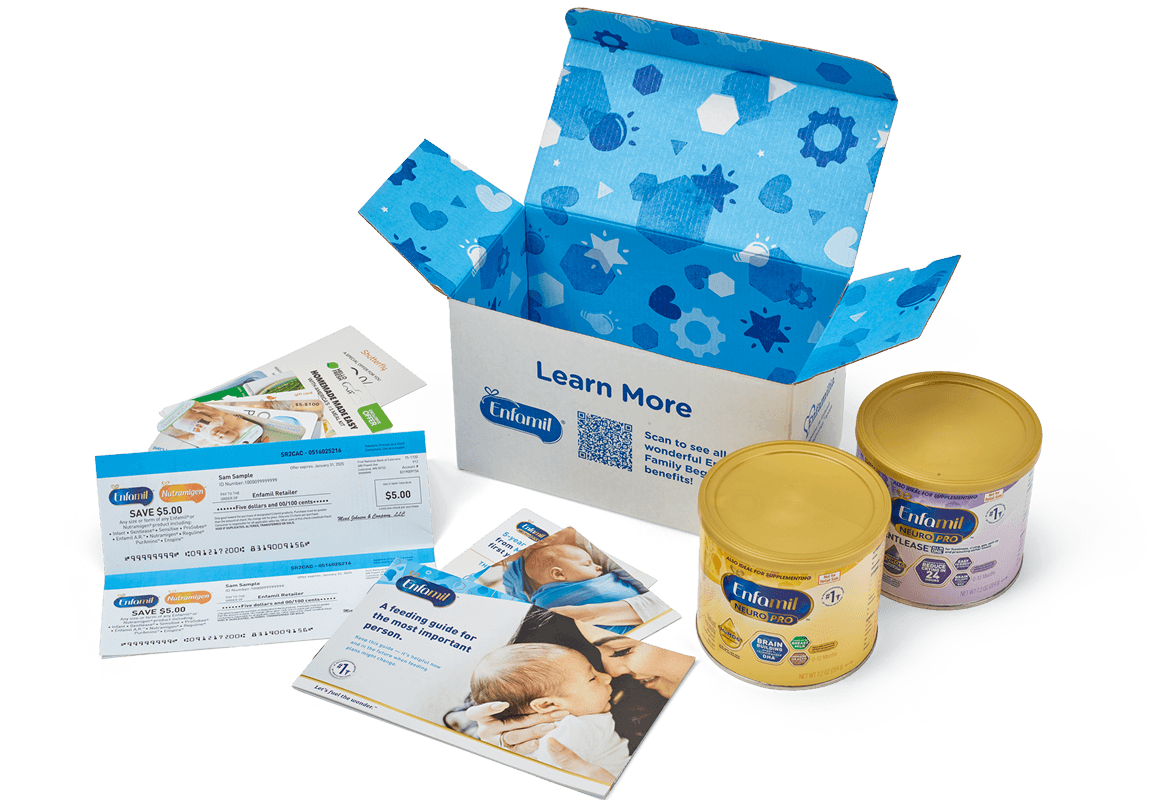
As with most things, practice makes perfect—and rest assured, you’ll get plenty of diaper-changing practice those first couple of years. In no time you’ll be a pro and be able to tackle your baby’s diaper with confidence. For more tips and resources on all things baby, including nutrition and feeding, be sure to join Enfamil Family Beginnings®. Enjoy up to $400 in savings, plus exclusive rewards, support, and surprises.
Join NowAll information on Enfamil, including but not limited to information about health, medical conditions, and nutrition, is intended for your general knowledge and is not a substitute for a healthcare professional's medical identification, advice, or management for specific medical conditions. You should seek medical care and consult your doctor or pediatrician for any specific health or nutrition issues. Never disregard professional medical advice or delay seeking medical treatment, care, or help because of information you have read on Enfamil.
.png&w=3840&q=75)