
Green, bloody, or mucus-tinged stool, along with some other issues, could indicate a milk allergy. Here’s what you need to know about identifying and managing this common condition.
If you’ve found yourself staring into a diaper, analyzing colors and textures like a scientist, welcome to parenthood. It’s one of the most common, and surprisingly important, rituals for new parents. While it might not be the most glamorous part of the job, checking your little one’s diaper can give you valuable clues about their digestion and overall health.
While healthy baby poop comes in a wide variety of shades (from mustard yellow to brown) and consistencies, certain changes can be a red flag. If you notice persistent changes in your baby’s stool, it could be an indication of a food allergy, specifically cow’s milk protein allergy (CMPA). This is one of the most common food allergies in children,1 but with the right tips and management, your baby can stay happy and healthy.
Your baby’s digestive system is still developing, which means their poop will change frequently based on whether they’re breastfed, formula-fed, or starting solids. However, when the immune system reacts negatively to the proteins found in cow’s milk, it causes inflammation in the gut. This inflammation often changes the appearance of the stool.
Here are the specific types of baby poop that may suggest your child has a sensitivity or allergy to cow's milk protein.
Seeing green in your baby’s diaper can be startling, but context is key.
Finding blood in your baby’s diaper is one of the scariest moments for a parent, but try to stay calm. While it requires medical attention, it is a common indicator of CMPA.
Baby poop often looks soft, but it shouldn't look like it has a coating of jelly.
Newborn poop is naturally soft, especially for breastfed babies. However, true diarrhea is different.
Poop is a major clue, but it’s rarely the only one. CMPA is a whole-body immune response that affects more than just the digestive system. To get a clearer picture, it’s best to look for a cluster of symptoms rather than just one. Consult your baby’s doctor for proper identification.
It’s very common for parents to confuse CMPA with lactose intolerance, but they’re quite different.
If your doctor suspects or identifies a cow’s milk protein allergy, the primary management strategy is to remove the allergen from your baby’s diet. The good news is that most children outgrow CMPA by age 3 to 5.7 Until then, dietary management is key to keeping your little one comfortable.
You generally do not need to stop breastfeeding. Breast milk provides the best nutrition and immune support for your baby. However, proteins from the dairy products you eat can pass through your breast milk.
Standard infant formulas are usually made from cow’s milk. For a baby with CMPA, the proteins in these formulas are too large and trigger the immune system.
You know your baby best. If something doesn't look right in their diaper, or if they seem unlike themselves, it is always worth a conversation with your healthcare provider.
Specifically, you should contact your doctor if you notice:
Your doctor can review your baby's history, examine the stool, and guide you toward the next steps, whether that is a diet change for you, a formula switch, or a referral to a pediatric gastroenterologist.
If your baby has a cow’s milk allergy or sensitivity, you don’t have to figure it all out on your own. Enfamil Family Beginnings®, including our Nutramigen Support program, offers expert-backed feeding guidance, free formula samples, and up to $400 in exclusive savings.
Plus, get access to CMPA-focused resources like tailored content, personalized support, and our helpful allergy test in the Enfamil App so you can feel confident and supported every step of the way.
Join today to unlock the care, tools, and community you deserve.
References
1https://publications.aap.org/first1000days/module/28106/Cow-s-Milk-Protein-Allergy↗
2https://americanpregnancy.org/healthy-pregnancy/first-year-of-life/green-baby-poop/↗
3https://www.childrenscolorado.org/conditions-and-advice/conditions-and-symptoms/symptoms/stools-unusual-color/↗
4https://www.childrenshospital.org/conditions-treatments/allergic-colitis↗
5https://www.pedsurglibrary.com/apsa/repview?type=682-134&name=27_1884007_PDF↗
6https://pmc.ncbi.nlm.nih.gov/articles/PMC9685681/↗
7https://pmc.ncbi.nlm.nih.gov/articles/PMC2823764/↗
8https://pmc.ncbi.nlm.nih.gov/articles/PMC11279873/↗
9https://www.healthychildren.org/English/health-issues/injuries-emergencies/Pages/dehydration.aspx↗
10https://pmc.ncbi.nlm.nih.gov/articles/PMC11279873/↗
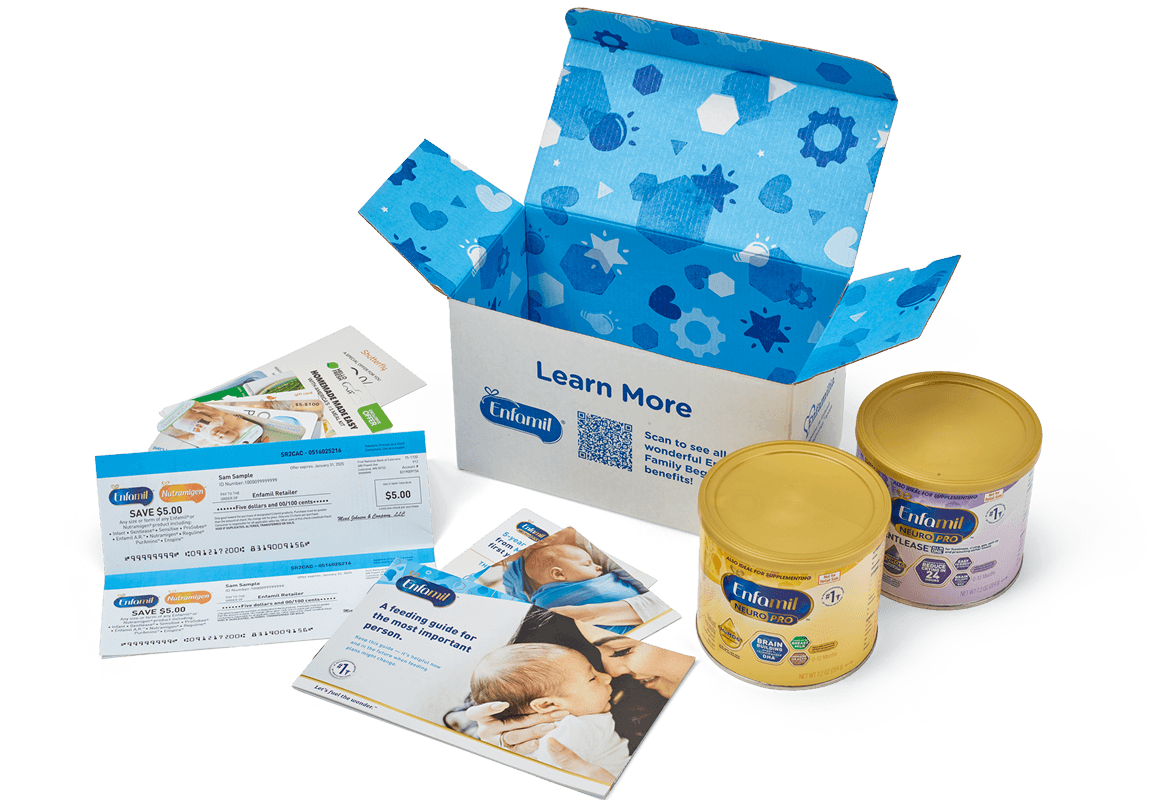
As with most things, practice makes perfect—and rest assured, you’ll get plenty of diaper-changing practice those first couple of years. In no time you’ll be a pro and be able to tackle your baby’s diaper with confidence. For more tips and resources on all things baby, including nutrition and feeding, be sure to join Enfamil Family Beginnings®. Enjoy up to $400 in savings, plus exclusive rewards, support, and surprises.
All information on Enfamil, including but not limited to information about health, medical conditions, and nutrition, is intended for your general knowledge and is not a substitute for a healthcare professional's medical identification, advice, or management for specific medical conditions. You should seek medical care and consult your doctor or pediatrician for any specific health or nutrition issues. Never disregard professional medical advice or delay seeking medical treatment, care, or help because of information you have read on Enfamil.
.png&w=3840&q=75)